
Why Property Developers Need Flexible Funding Between Milestones
When development approvals are delayed, your project doesn’t stop incurring costs associated with land, finance, professional fees, and other expenses. You need to bridge the gap so that progress can continue while you wait.
Here’s what you need to know about finance for development approval delays.
Development Finance Stages For Property Developers
Property development rarely moves in a straight line. Depending on the project, you may move through stages such as acquisition, planning, approvals, servicing, construction, and exit.
Each stage can create a different cash need. When one stage runs late, the next stage can stall too. A single rigid funding structure may struggle to support the entire project as funding requirements change over time. This is where timing gaps creep in (and start to hurt).
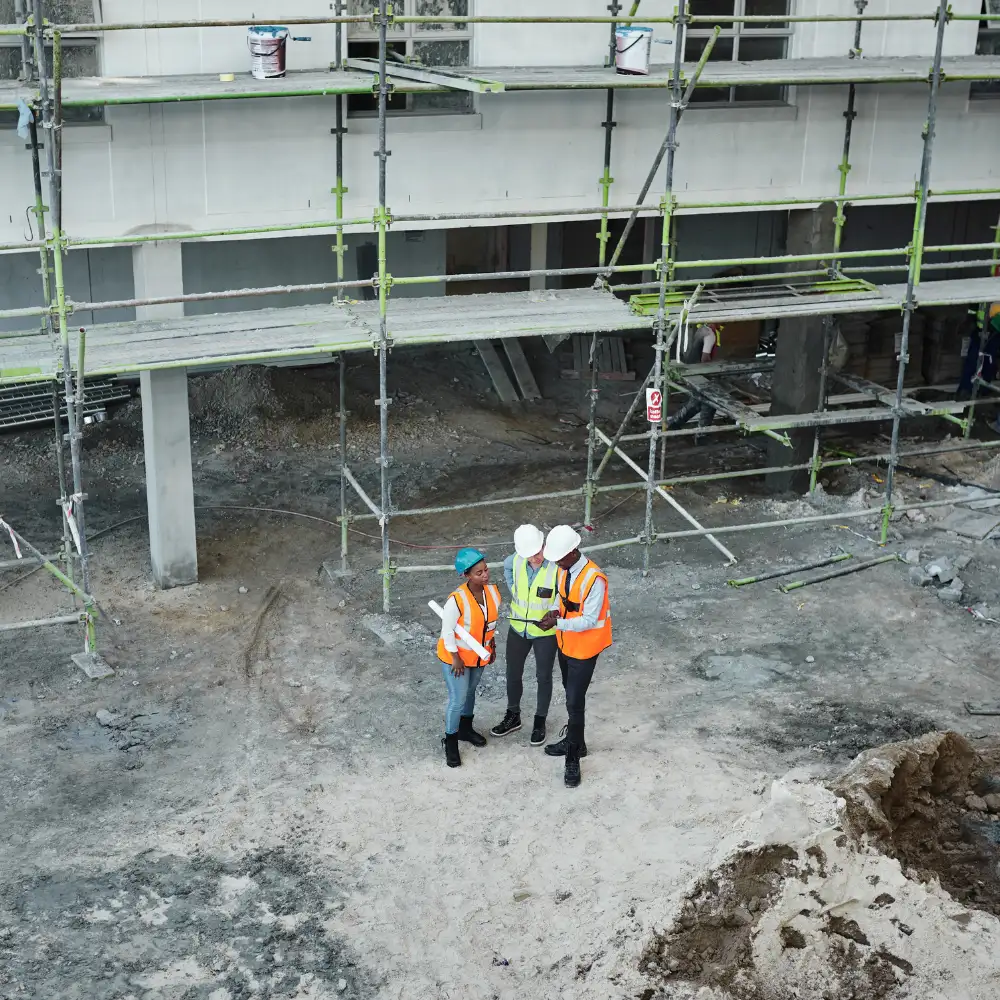
What Delays Property Development Approvals In South Africa?
South African development approvals can involve several layers of planning and sign-off.
South African property development is shaped by a formal planning framework under the Spatial Planning and Land Use Management Act, 2013 (SPLUMA), which governs land-use decision-making and approval processes. As a result, approvals are often multi-layered rather than simple or immediate.
Municipal capacity also affects timing. The Department of Rural Development and Land Reform notes that government must support provinces and municipalities to implement the system effectively.
In practical terms, that means rezoning, subdivision, township establishment, and building-plan approval can all take substantially more time than developers initially anticipate.

Why Holding Costs Rise During Approval Delays
Waiting is not passive. Delay can create real cost pressure while your project sits in process.
You may still be paying finance charges, professional fees, rates, levies, and contractor costs. You may also continue paying interest or other costs on capital already committed to the project.
A July 2026 report on municipal approval delays says fragmented processes, poor communication, and limited staff are adding to the problem. A report on major capital projects also notes that delay itself can drive cost overruns.
When Property Developers Need Bridging Finance
This is where structured term finance can help. Depending on the project and available security, a flexible facility can provide capital while approvals, registrations, or other project milestones catch up.
Developers often need this kind of funding when they have equity tied up in land or a partly progressed project. They also need it when buyer bonds, transfer registrations, or bank drawdowns are slower than expected.
A 2021 study on real estate development start-ups in Johannesburg found that access to commercial bank finance was a major barrier for small and medium developers, while related research on affordable housing finance highlighted the need for structured finance aligned with planning and legislative constraints. [Sources: Wits; UCT]
How FlexiCap Structured Term Loans Work
FlexiCap is Taurus Capital’s structured term finance solution for developers who need funding that matches real project timing. It is designed for situations where capital is tied up in a project, but the development still needs to keep moving.
The structure is tied to real assets and a clear exit, rather than a generic business-loan approach. That makes it a strong option for property development finance in South Africa, especially when the issue isn’t project quality, but timing. You can use it to bridge approval delays, fund holding costs, or support early works while the rest of the structure catches up.

FlexiCap at a Glance
Funding: R1 million – R20 million
Term: 3–24 months
Security: Qualifying property, JSE-listed shares or cash collateral
Structure: Fixed, risk-based pricing
Repayment: Structured around the project and exit

Where FlexiCap Fits In The Development Funding Stack
FlexiCap for developers can help with several common pressure points:
- Land acquisition gaps.
- Planning or servicing delays.
- Holding costs while approvals are pending.
- Early-stage project expenses.
- Capital required before an exit (e.g. planned sale, refinance).
It is not about forcing your project into a one-size-fits-all bond. It is about giving you a structured way to keep momentum when timing moves against you.
Before You Borrow
Before you borrow, make sure the structure fits the project.
Check that the repayment timing matches your exit, the term fits the approval window, and the cost is clear from the start.
The right funding should bridge the gap. That is especially important in development, where one late milestone can affect the full project timeline.
Bridge the Gap with FlexiCap
When approval delays put pressure on your project timeline, the right funding structure can help you keep moving.
If your project is ready but the capital is stuck, FlexiCap can help you move forward.
[Button] Apply Today
Additional Sources of Information:
- Spatial Planning and Land Use Management Act: Norms and Standards (2023) – Section 9(2)
- DALRRD presentation on SPLUMA implementation
- Municipal Building Plan Approval Delays Cripple South African Homeowners and Developers, Warns SACAP Registrar
- The Root Causes of Delay and Cost Overruns in Major Capital Projects (Strategic Investment Board, Northern Ireland, Feb 2024)
- Challenges Facing Real Estate Development Start‑ups in the Inner City of Johannesburg in Accessing Finance from Commercial Banks: A South African Context (Leonard Qwabe, MSc Building – Property Development and Management research report, University of the Witwatersrand, 2018)
- Exploring Affordable Housing Finance for Emerging Developers in South Africa (Gloria Boitumelo Selowa, thesis, University of Cape Town, Graduate School of Business, 2025)